


manukahoney.pro/manuka-honey-pro-blog/
In the world of natural remedies, few substances have sparked as much scientific interest as Manuka honey. While most people know it as a premium sweetener or a winter wellness booster, its most profound impact might be happening where we can’t see it: inside our digestive tract.
If you’ve ever struggled with the burning sensation of acid reflux or the gnawing discomfort of gastritis, you know how disruptive digestive issues can be. Today, we dive deep into the science of why this New Zealand nectar is being hailed as a “liquid shield” for the gut.
The primary difference between regular honey and Manuka honey lies in its concentration of Methylglyoxal (MGO). While all honey has some antibacterial properties due to hydrogen peroxide, these are often neutralized by our digestive enzymes.
Manuka honey is different. Its “Non-Peroxide Activity” (NPA) remains stable even when exposed to the harsh, acidic environment of the human stomach. This allows the honey to reach the gut lining with its healing properties intact, acting as a natural anti-inflammatory and antibacterial agent where it is needed most.
Did you know that many harmful gut bacteria, including the infamous H. pylori (often responsible for ulcers and gastritis), protect themselves by creating a “biofilm”? This is a slimy, protective shield that makes them resistant to many conventional treatments.
The curiosity: Recent microbiological studies have shown that high-grade Manuka honey doesn’t just kill bacteria; it actually helps break down these biofilms. By dissolving the bacteria’s “armor,” Manuka honey allows the body’s immune system—and the honey’s own MGO—to neutralize the threat more effectively. This “stealth” ability is one of the reasons why researchers are so excited about Manuka’s potential in gut health.
Acid reflux occurs when stomach acid flows back into the esophagus, causing irritation and that well-known “heartburn.” Manuka honey helps in two distinct ways:
Viscosity and Coating: Due to its high density and unique texture, Manuka honey coats the mucous membrane of the esophagus. This provides an immediate physical barrier against rising acid, acting like a natural version of over-the-counter “raft” forming liquids.
Healing the Tissue: Chronic reflux can lead to micro-tears and inflammation in the esophageal lining. The tissue-healing properties of Manuka honey promote the regeneration of these delicate cells, reducing long-term sensitivity.
Gastritis is the inflammation of the stomach lining, often triggered by stress, diet, or the Helicobacter pylori bacteria.
Scientific trials have demonstrated that Manuka honey can inhibit the growth of H. pylori. Unlike synthetic antibiotics, which can wipe out both good and bad bacteria (leading to further digestive imbalance), Manuka honey appears to be more selective, supporting a healthier balance in the gut microbiome while targeting the source of the inflammation.
When it comes to the digestive system, potency matters. You are not just looking for flavor; you are looking for therapeutic action.
For Mild Maintenance: A UMF 10+ (MGO 263+) is a good starting point for general digestive wellness.
For Targeted Relief (Reflux/Gastritis): We recommend a UMF 15+ (MGO 514+) or higher. The concentration of MGO needs to be significant enough to survive the journey through the stomach.
For Intense Support: If you are dealing with persistent issues, a UMF 20+ (MGO 829+) provides the maximum antibacterial “punch” to help reset your internal environment.
To get the most out of your “liquid gold,” follow these three golden rules:
Take one teaspoon of Manuka honey about 30 minutes before your meals. Taking it on an empty stomach allows the honey to coat the stomach lining directly without being diluted or pushed away by other foods.
Never stir your therapeutic Manuka into boiling tea. High temperatures can degrade the delicate enzymes and the MGO. Instead, take it straight from the spoon or stir it into lukewarm water (below 40°C/104°F).
For those who suffer from “nighttime reflux,” taking a small spoonful before bed can help maintain a protective layer in the esophagus while you sleep.
While Manuka honey is a powerful natural ally, it is still honey. If you are diabetic, consult your doctor to manage your sugar intake.
Conclusion: Science is finally catching up to what traditional Māori medicine has known for centuries: Manuka honey is a masterpiece of nature. By reducing inflammation, breaking down bacterial biofilms, and providing a physical barrier against acid, it offers a holistic approach to digestive health that is both effective and delicious.
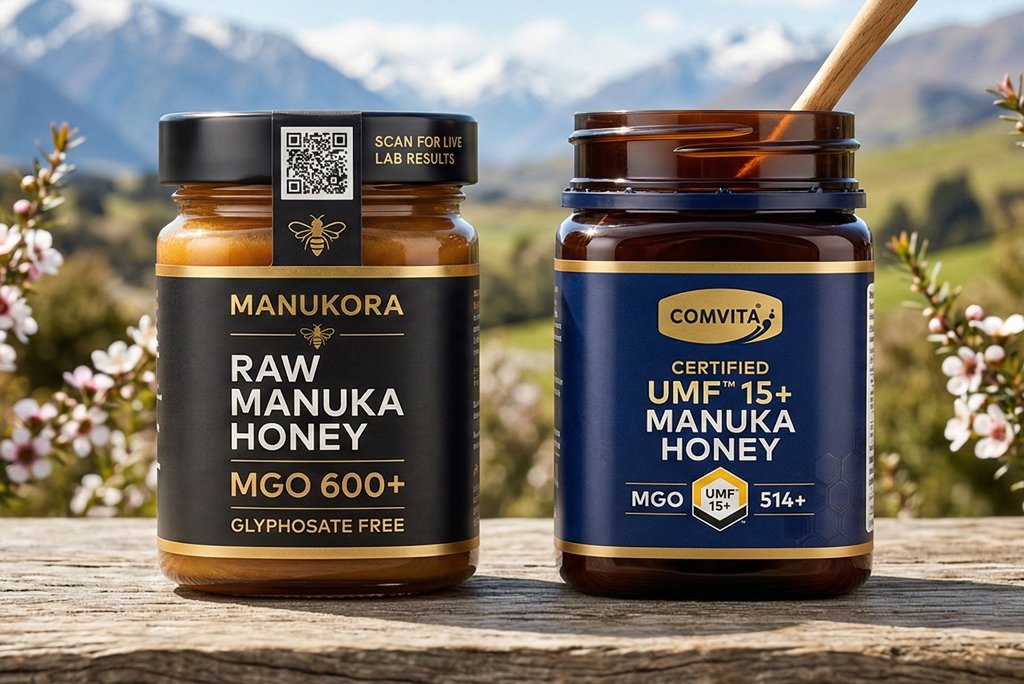
Torn between the UMF Gold Standard and modern traceability? Read our Manukora vs Comvita 2026 showdown to discover which premium honey wins on purity and taste.
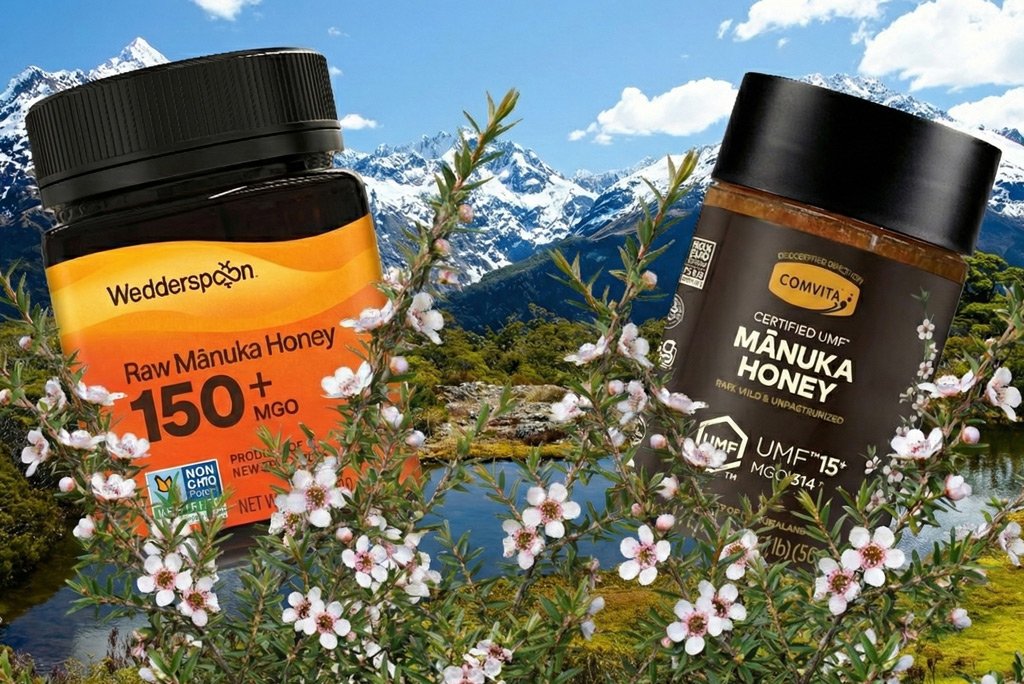
Stuck between Wedderspoon vs Comvita? Discover the shocking difference between UMF and KFactor certifications, and find out which Manuka honey is right for you.

Discover the latest Manuka honey market statistics for 2026. Get verified data on market size, global growth rates, and the shocking fake honey epidemic.

Manuka Honey Pro is a dedicated platform for health enthusiasts seeking the truth about the world’s most powerful superfood. Our mission is to simplify the science behind Manuka honey, guiding you through MGO ratings and UMF certifications with expert transparency.
Affiliate Disclosure: ManukaHoney.pro is a participant in the Amazon Services LLC Associates Program, an affiliate advertising program designed to provide a means for sites to earn advertising fees by advertising and linking to Amazon.com. As an Amazon Associate, we earn from qualifying purchases. This comes at no extra cost to you and helps support our research.